
Life on the ‘tricky table’
June 26, 2019
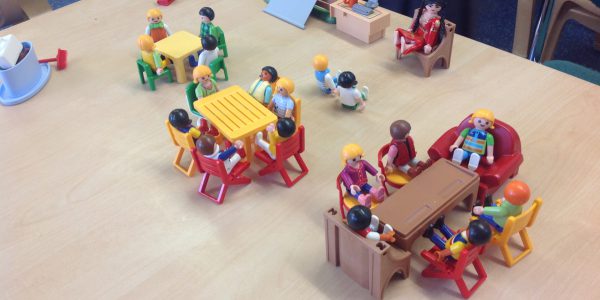
In this month’s primary blog post, Catherine Gripton explores ‘ability’ grouping from a child’s perspective and asks whether children experience ‘ability’ grouping in the way we think they do. To ‘ability’ group or not to ‘ability’ group? There is much debate about ‘ability’ grouping with questions raised about effectiveness and concerns that it widens …

How can the building of ‘relationships’ maintain good classroom management?
December 13, 2018
The importance of mental health and well-being of children has become an important focus within education. In this post Esther Fulton considers the role of positive relationships in creating a nurturing classroom environment. The DfE has recently published a paper that highlights the importance of schools creating ‘safe and calm environments’ and ‘equipping pupils …

“Line up: boy, girl, boy, girl”: Revisiting gender labels in the primary school
November 12, 2018
BOY GIRL BOY GIRL BOY GIRL BOY GIRL GIRL GIRL BOY GIRL So, what is wrong with this pattern? The ninth term should be ‘BOY’, correct? This is a familiar type of simple repeating pattern than children in their Reception year might engage with. However, there is a deeper issue. Why do we …

Homework – what is it and is this what we really want it to be?
September 10, 2018
Homework is an increasingly commonplace activity in the UK’s primary schools and thus in homes across the land. In this post, Rachel Lehner-Mear considers how homework is currently conducted and asks whether there might be a better approach. Why are we setting homework? As the new school year gets under way, the …

Teachers and research evidence: building engagement
March 19, 2018
The move towards a research-engaged teaching profession, working in an evidence-informed way seems to be gaining momentum. The recently established Chartered College of Teaching, highlights as one of its three central aims well informed teachers, with access to ‘high quality research’ and promotes this through its own journal, database and research summaries; meanwhile, the teacher-led …

The Never-Ending Story of EYFS Assessment
November 6, 2017
In this post Philip Hood offers a perspective on EYFS assessment plans. In September in this blog series Helen Victoria Smith wrote about school readiness and aspects of the assessment system in the Early Years Foundation Stage. Since then the government has published a response to the Primary Assessment Consultation. You can see the full …

What do we mean by school-ready?
September 4, 2017
This September, most 4 year old children in the UK will start school for the first-time. Due to the offer of free childcare places for all 3 to 4 year olds, most of these will have experienced being in some sort educational environment although these will differ greatly. In addition, their home experiences …
What do we mean by ‘Character Education’?
May 3, 2017
The use of ‘Character Education’ as a term has become more widespread in recent years but can be understood in many different ways. In this post, Rupert Knight explores this concept and provides an example of one school’s approach. Education for character as well as academic attainment is nothing new and the 2015 report …
An Early Years ‘PISA’, Good-Level washback and the forgotten areas of learning.
April 3, 2017
It is not a new phenomenon for the UK early years phase of education to be a centre of controversy between practitioners, policy makers (and enactors) and academics. But, in this post, Philip Hood argues that the impending introduction of a set of tests for five-year-olds from OECD, a real Early Years PISA may, indeed …
Are textbooks in the primary school the answer? To what problem?
November 3, 2016
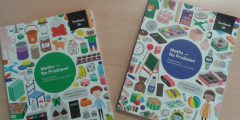
Primary schools in many ‘high performing countries’ use textbooks in primary classrooms. In this post, Jane Medwell explores the role they may play in English classrooms. In 2014 Nick Gibb told us told to “shed the anti-textbook culture” in primary schools: “In England, 10 per cent of 10-year olds are issued textbooks. In South Korea, …
